
Foot Conditions
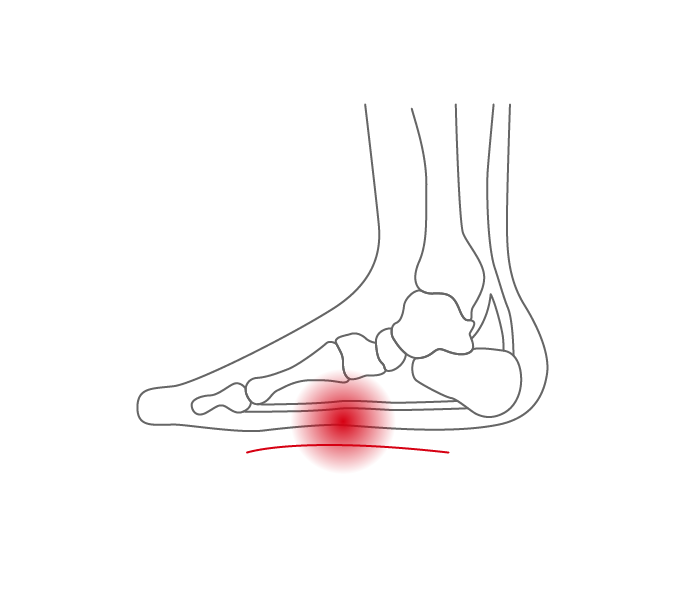
A condition in which the foot arch collapses
reducing shock absorption.
Flat feet occur when the natural arch of the foot is lowered or absent, causing the sole to appear flat. This condition reduces shock absorption and increases pressure on the inner foot, leading to pain and fatigue even after short periods of walking, and may negatively affect overall body alignment. If left uncorrected, uneven pressure and improper gait can contribute to discomfort in the knees, lower back, shoulders, and posture. Corrective insoles that support and elevate the inner arch help redistribute pressure evenly, improve walking stability, reduce fatigue, and enhance comfort during prolonged standing or walking.
RECOMMEND
Orthotic 01,
Orthotic 02
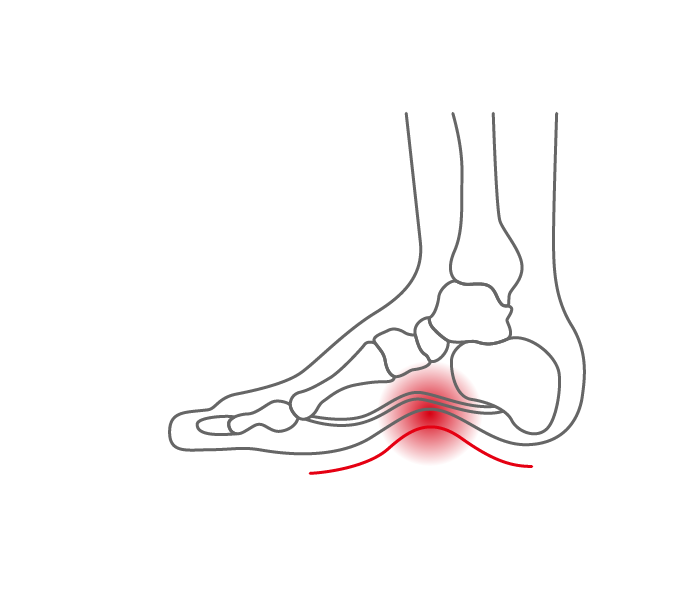
A condition in which an excessively high arch causes
pressure to concentrate on the forefoot and heel.
High arch (Pes Cavus) refers to a foot condition where the inner arch of the sole is elevated higher than the normal range. This foot structure limits natural inward rotation (pronation) when the foot contacts the ground, resulting in reducedshock absorption and increased impact during walking. High arch is often associated with plantarflexion deformity of the first metatarsal and is also commonly seen in women who frequently wear high heels. Because the instep is higher than average, footwear with adequate length and wider width is recommended. In addition, corrective insoles help support the unstable foot and reduce strain on the joints, ligaments, and muscles, allowing for more efficient and comfortable movement.
RECOMMEND
Orthotic 01,
Custom-Made Insoles

A condition in which the big toe bends outward,
causing joint protrusion and pain
Hallux valgus is a deformity in which the big toe deviates excessively toward the second toe, while the first metatarsal bone shifts inward in the opposite direction. This condition may result from a combination of congenital and acquired factors. Congenital causes include an excessive distal metatarsal articular angle, flat feet, wide feet, or overly flexible feet, while acquired causes often involve frequent use of narrow-toe shoes or high heels. As the big toe bends, the protruding bone can rub against footwear, leading to calluses, inflammation, and pain. Wearing wide, comfortable shoes helps reduce irritation, and corrective insoles can relieve pressure on the protruding joint and beneath the second and third toes.
RECOMMEND
Orthotic 01,
Orthotic 02
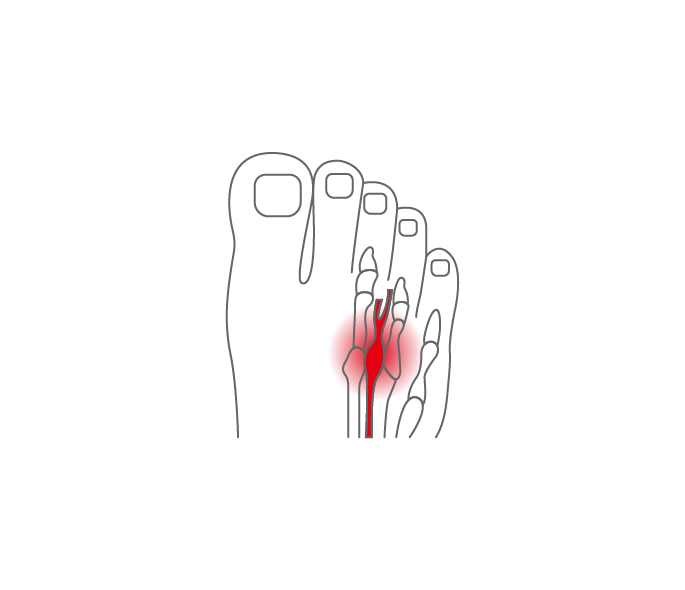
A condition in which the nerve between the toes is
irritated, causing burning or sharp, stabbing pain
This condition occurs when the nerve running between the metatarsal bones toward the toes is repeatedly compressed and irritated, causing the nerve to thicken, become damaged, and lead to inflammation. It most commonly develops between the second and third toes. During walking, the nerve is repeatedly pressed between the ligaments and the sole of the foot, especially when wearing tight or high-heeled shoes, which can worsen symptoms. Using corrective insoles helps widen the space between the metatarsal bones, reduce pressure, and relieve nerve irritation.
RECOMMEND
Orthotic 02,
Custom-Made Insoles
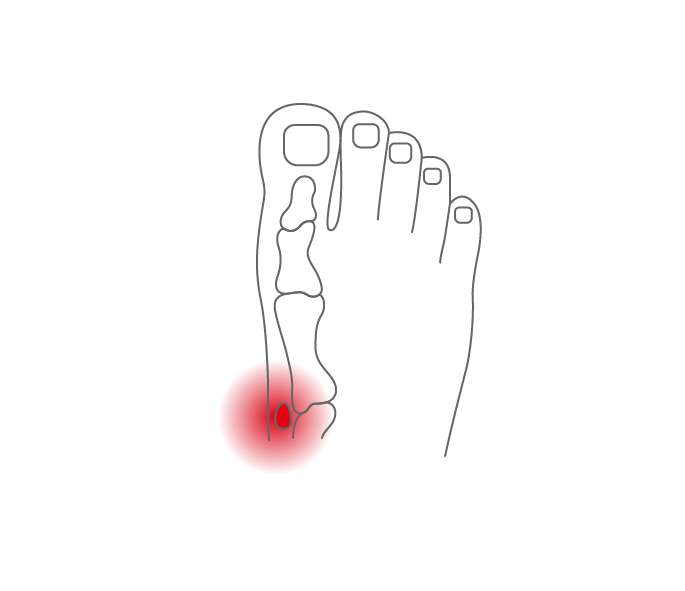
Accessory Navicular Syndrome: Pain and pressure
caused by a protrusion below the inner ankle bone
Accessory navicular syndrome is a condition in which pain occurs in an extra bone located beneath the inner ankle, formed on the medial side of the navicular bone. This accessory bone often causes no symptoms and is frequently discovered incidentally on X-ray, resulting from incomplete bone fusion at birth. It commonly appears during adolescence, around ages 13 to 15. Repetitive pressure from activities such as basketball or ballet can lead to pain and swelling. While treatment may not be necessary if there is no discomfort, persistent pain can be relieved with corrective insoles that support and stabilize the ankle.
RECOMMEND
Orthotic 01,
Custom-Made Insoles
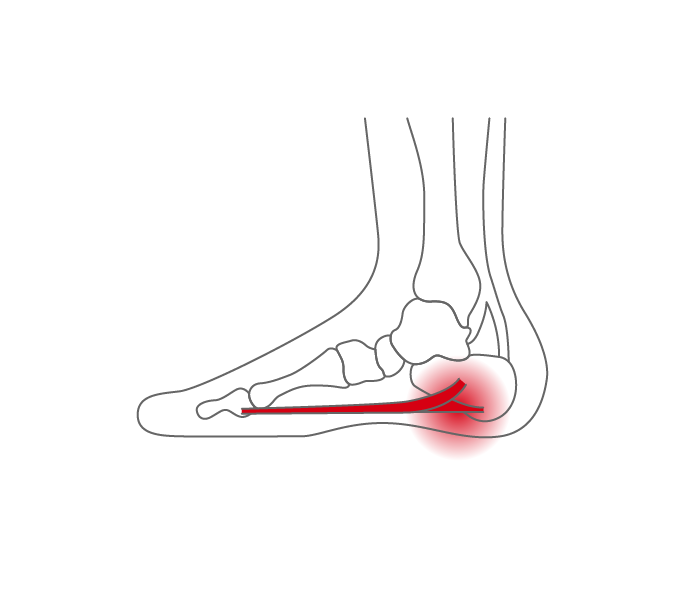
Inflammation caused by repeated micro-injury
Plantar fasciitis occurs when the plantar fascia, a thick and strong fibrous band that starts at the heel bone (calcaneus) and extends forward to the base of the toes, becomes inflamed due to repeated micro-damage. Common causes include excess body weight, prolonged standing, flat or overly high-arched feet, lack of regular walking or exercise, tight Achilles tendons, and shortened calf muscles. When treated early, it often resolves completely; however, if symptoms persist, corrective insoles can help absorb heel impact, provide cushioning, and relieve pain.
RECOMMEND
Orthotic 01,
Custom-Made Insoles
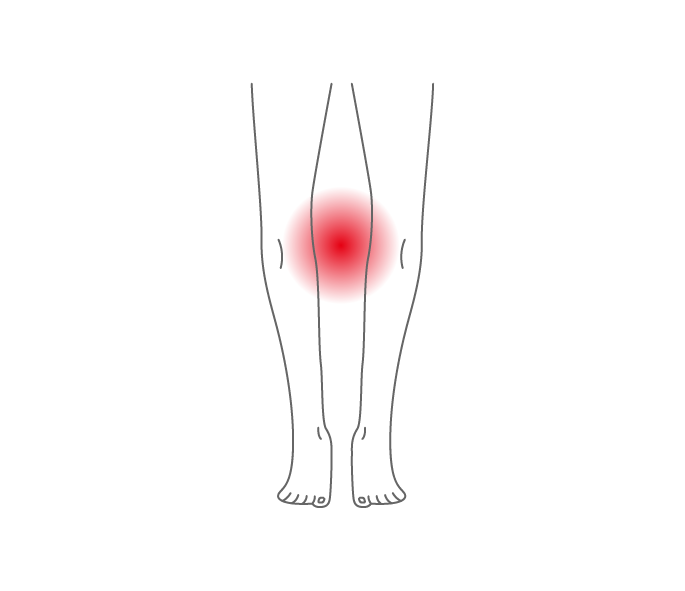
Uneven weight distribution during walking due to
outward-curving knees
Bow legs occur when the center of the knee joint shifts outward, causing the knees to curve outward in an arc shape. A knee gap of more than 5 cm is considered severe. Common causes include childbirth, sitting cross-legged, habitual leg crossing, and frequent use of high heels. This condition may also lead to an inward-toed gait during walking. If left untreated, it can result in secondary deformities of the knees, feet, and spine, and may contribute to degenerative joint diseases later in life. Corrective insoles can help by raising the outer side of the foot, redistributing weight more evenly and naturally improving bow-leg alignment.
RECOMMEND
Orthotic 02,
Custom-Made Insoles
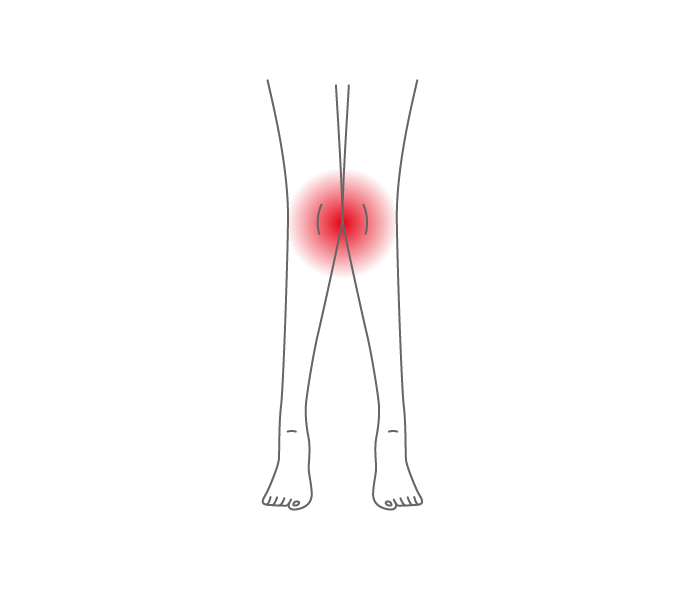
Knees move inward, increasing load on the inner side
Knock knees, also known as genu valgum, describe a condition where, when standing upright with feet together, the knees angle inward and touch while the lower legs spread outward, forming an X-shaped alignment. The ankles remain apart, and an ankle gap of more than 5 cm is considered severe. This condition usually affects both legs but may appear on only one side. In adults, severe knock knees can place excessive stress on the knee joints and may lead to degenerative arthritis. Corrective insoles help by supporting and raising the inner arch, redistributing body weight and helping prevent further postural imbalance.
RECOMMEND
Orthotic 01,
Custom-Made Insoles